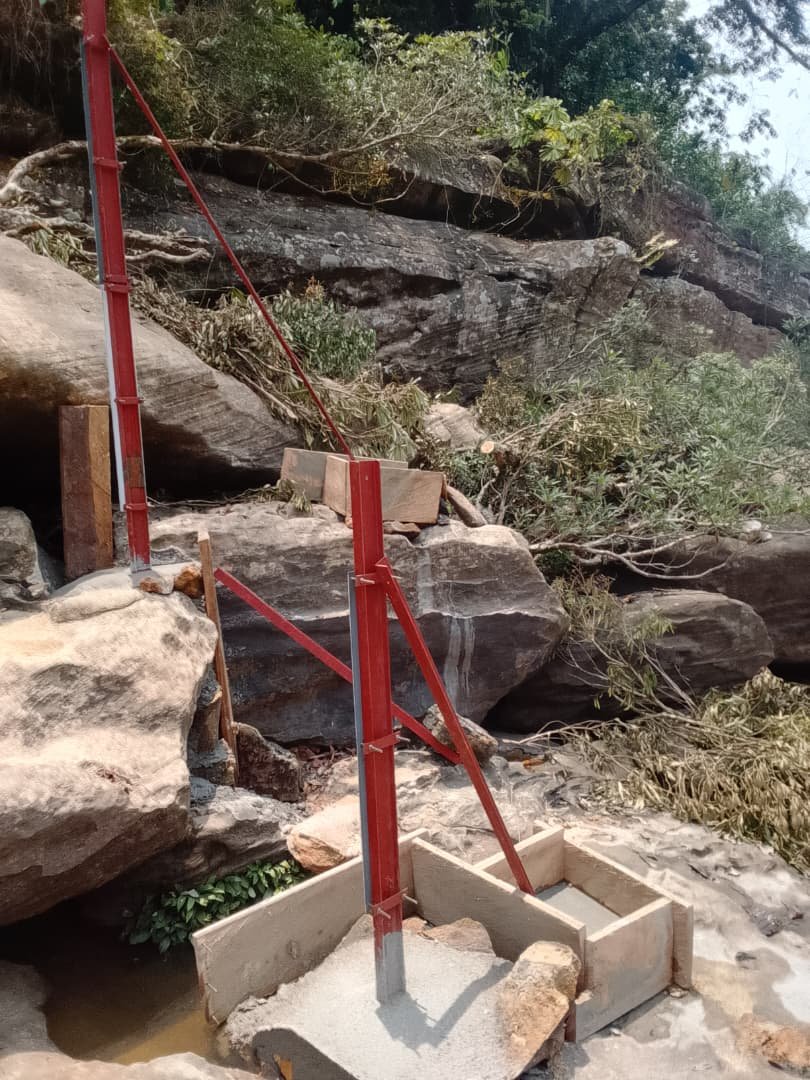
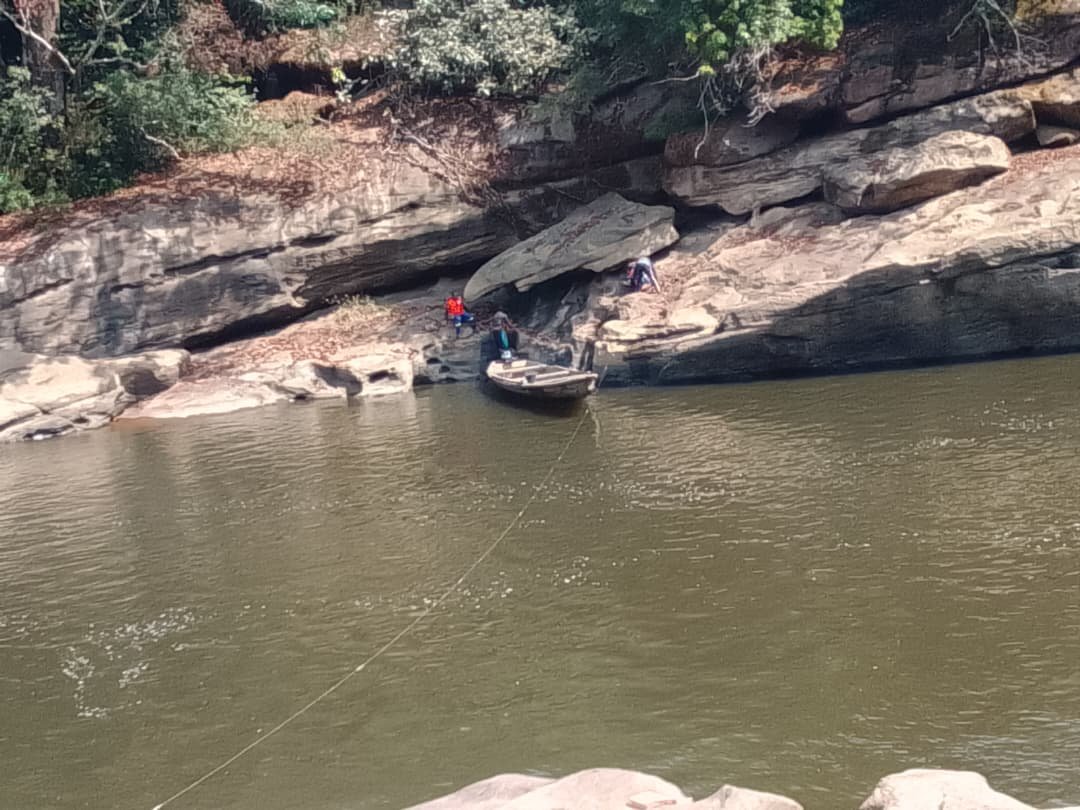
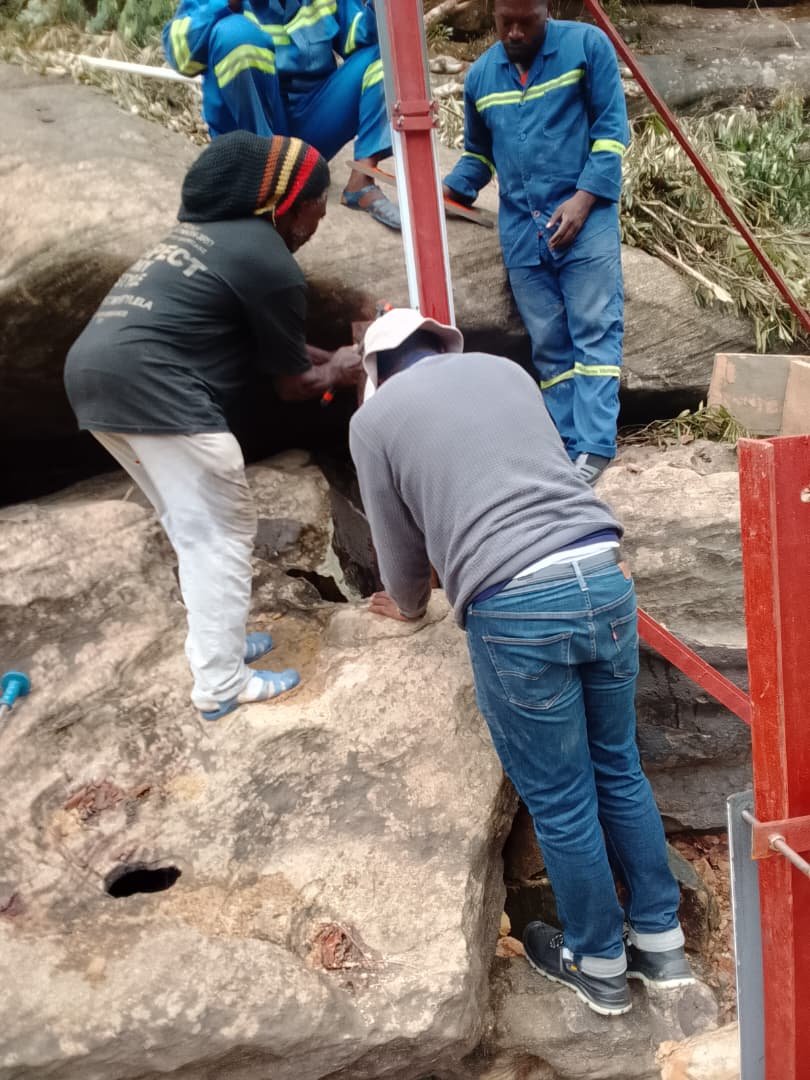
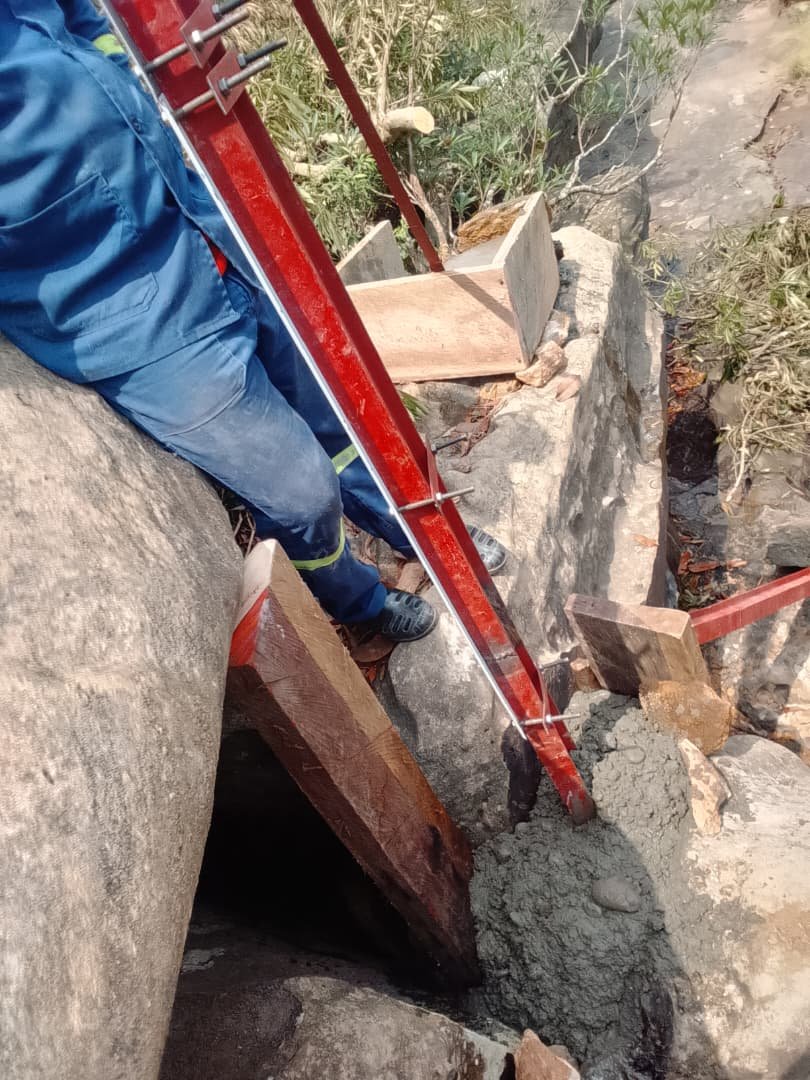
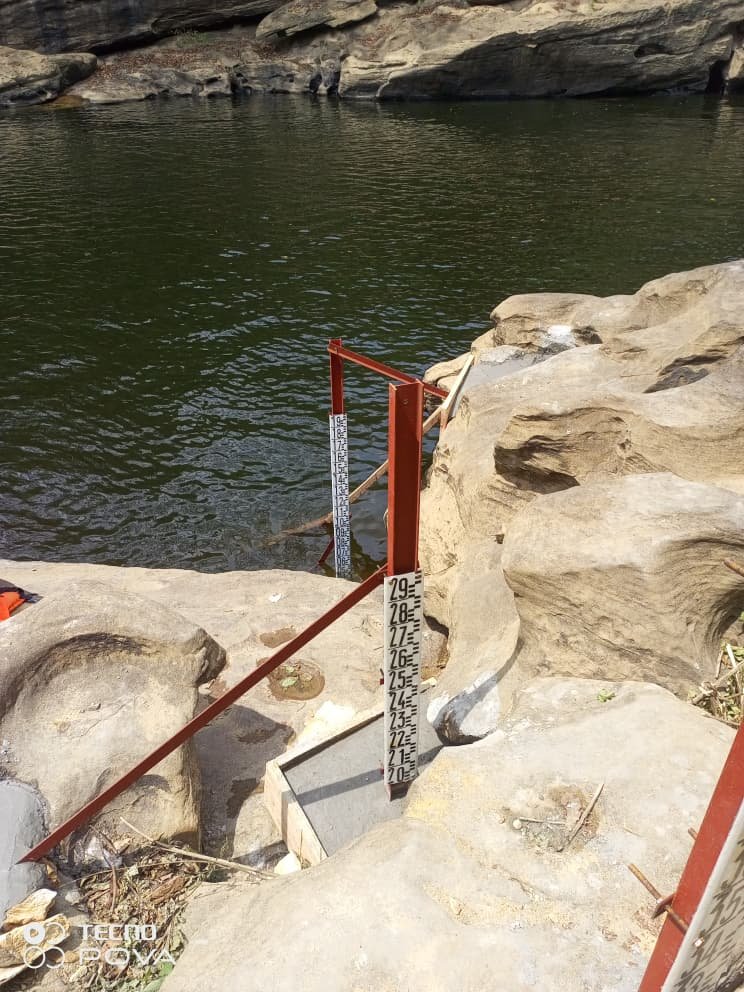
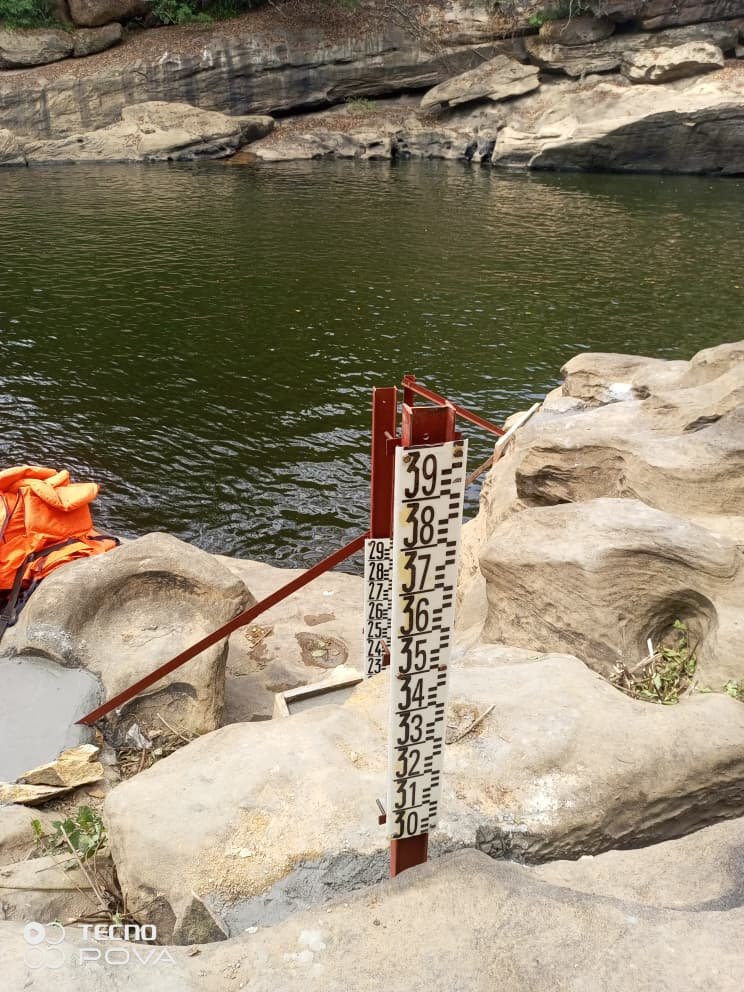
The Mamfe Hydropower Project has entered a critical stage of development, marked by the launch of full feasibility studies and the installation of advanced monitoring equipment across the project site. This phase represents the backbone of the project’s long-term success, ensuring that every design choice and technical decision is grounded in real data and verified field conditions.
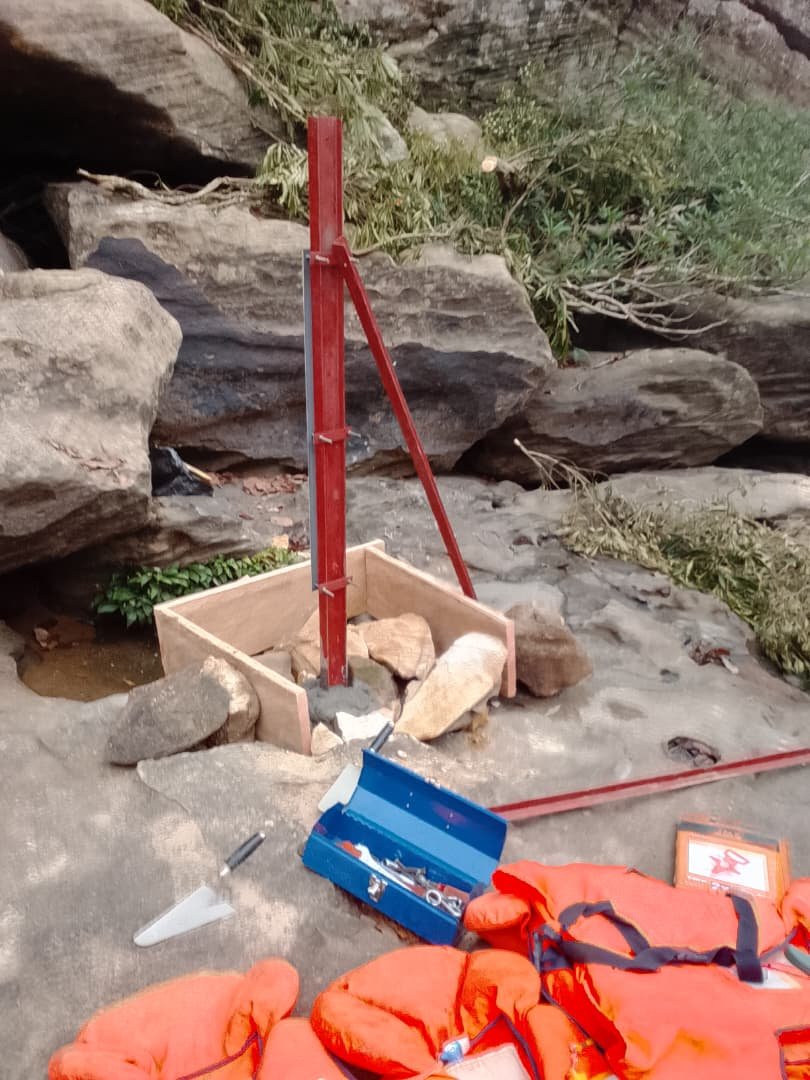
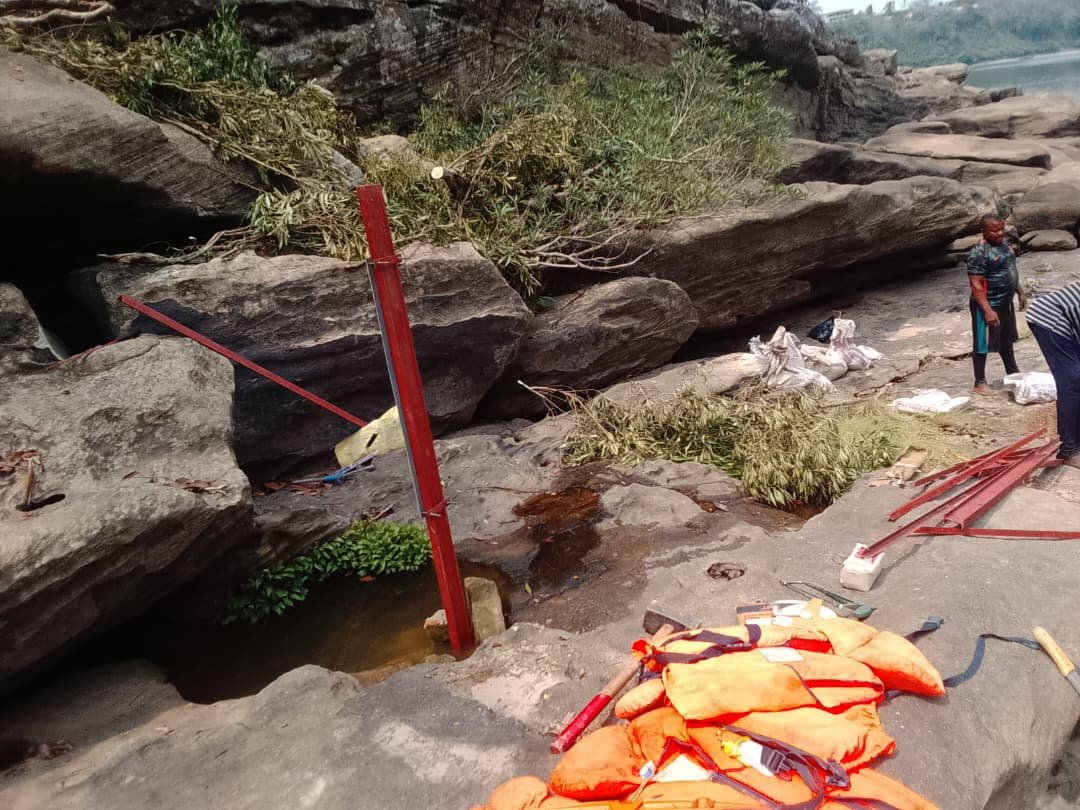
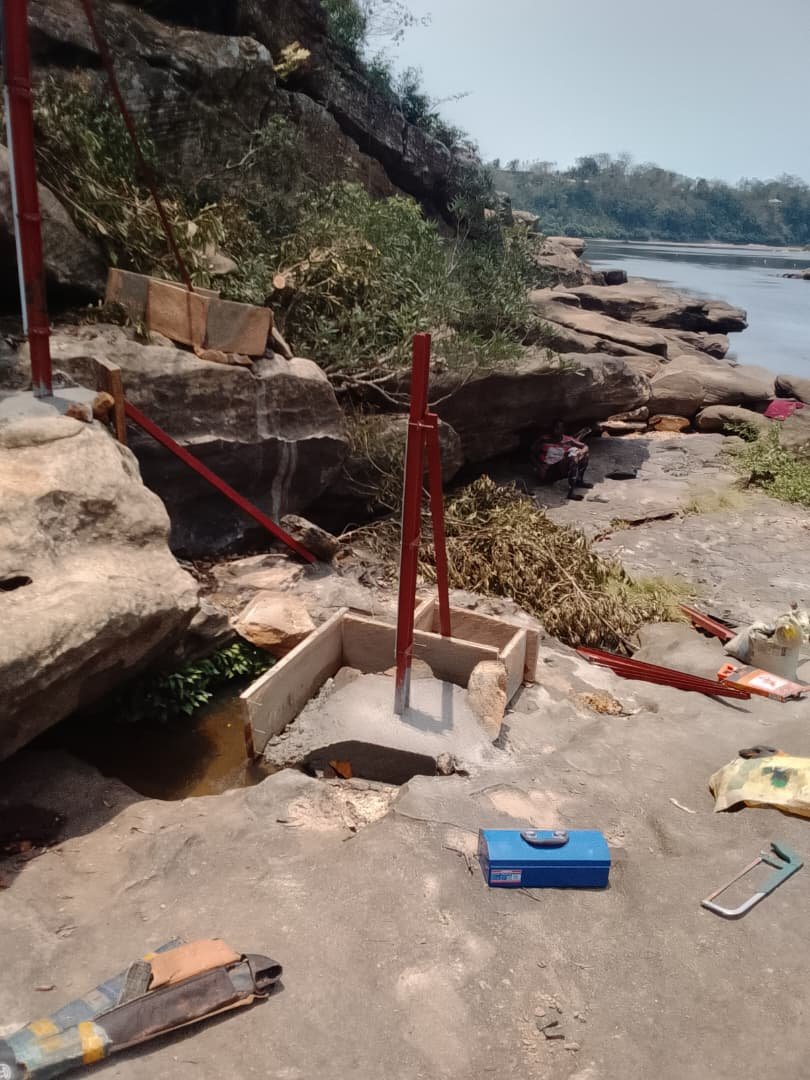
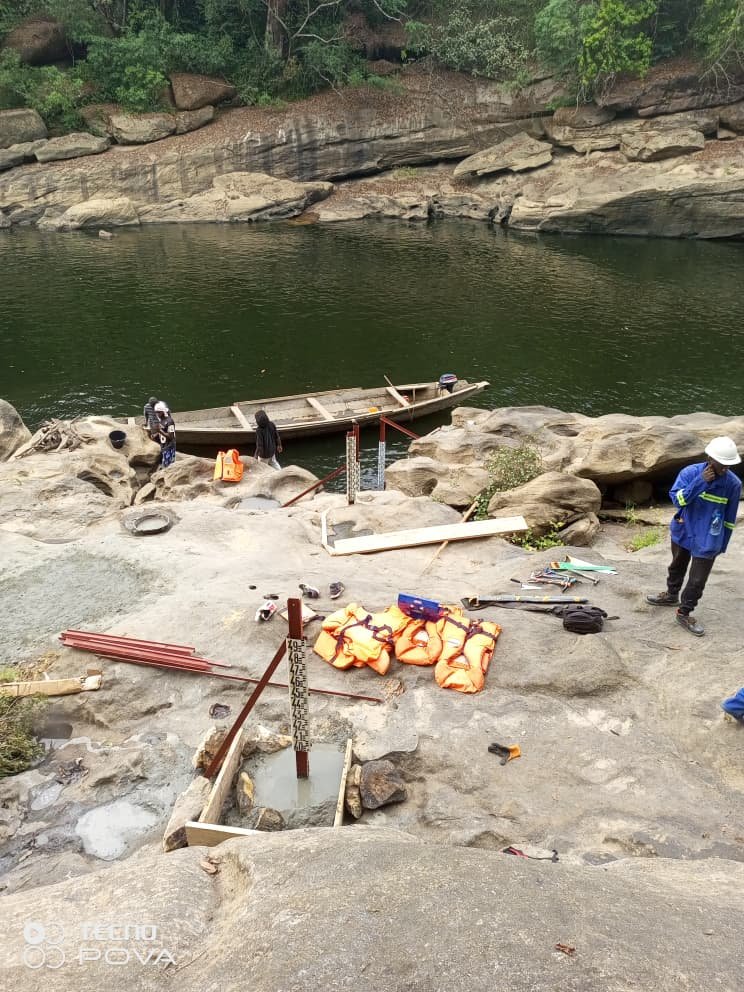
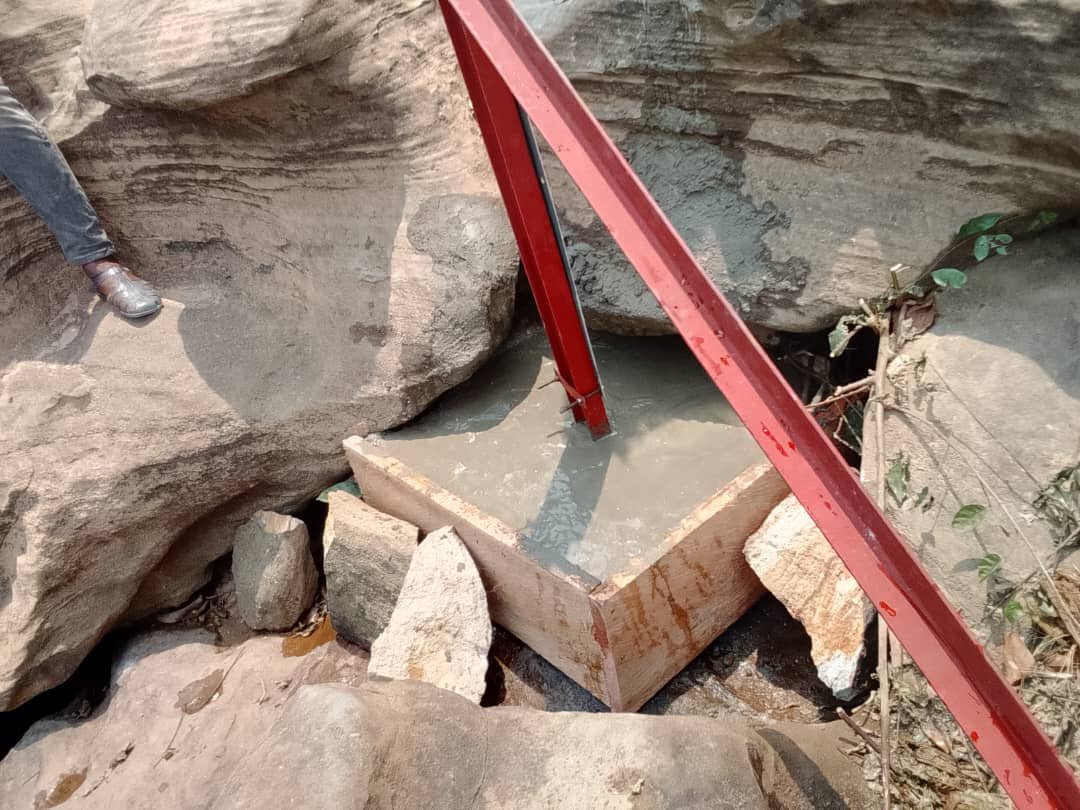
Hydrological and sedimentation studies have officially begun, supported by year-round data collection systems strategically placed along the Manyu River and its surrounding catchment areas. These instruments continuously measure river discharge, rainfall intensity, sediment load, and seasonal variations—factors that will ultimately define the dam’s design, turbine selection, reservoir management strategy, and expected energy output. By capturing uninterrupted data cycles, the project team is able to model river behavior with greater accuracy, assess long-term viability, and predict performance under different climate scenarios.
Alongside hydrological monitoring, engineering teams are conducting detailed technical assessments to determine the optimal configuration of the hydropower facility. This includes evaluating geological conditions, slope stability, access routes, and the suitability of various civil and electromechanical layouts. Each study contributes to a clearer picture of the project’s structural requirements and operational potential, ensuring that the final design meets both national and international engineering standards.
Environmental and social considerations are equally central to the feasibility stage. The ongoing ESIA process ensures that the project’s footprint is measured responsibly, with careful attention to ecosystems, community interactions, and long-term sustainability. Field teams are engaging with local authorities and community representatives to gather insights, document concerns, and ensure the project contributes positively to regional development.
As the studies progress, the project is steadily building a robust foundation on which informed, strategic decisions can be made. The insights gathered during this stage will shape every aspect of the hydropower plant—from dam height and reservoir volume to grid integration capacity and environmental safeguards. Ultimately, this phase is preparing the groundwork for a renewable energy facility designed to strengthen Cameroon’s national grid, enhance energy stability, and support economic growth for decades to come.